




MAKE WAVES WITH TAHE IN 2024!
#ENDLESSPLAYTIME
YOUR ENDLESS PLAYTIME ON THE WATER STARTS HERE
OVER 40 YEARS OF PASSION FOR WATER SPORTS
#ENDLESSPLAYTIME
Emerging from the purchase of BIC Sport by the Tahe Outdoors group in 2019, the TAHE brand retains all the core values behind BIC Sport’s success.
For more than 40 years, TAHE has been sharing its passion for board and water sports across successive generations.
From its base in Vannes (France), TAHE conceives and manufactures reliable leisure sport products (Stand-up paddle, kayak, windsurf, wing foil, surf, dinghies), built to last, to guarantee you endless playtime on the water.
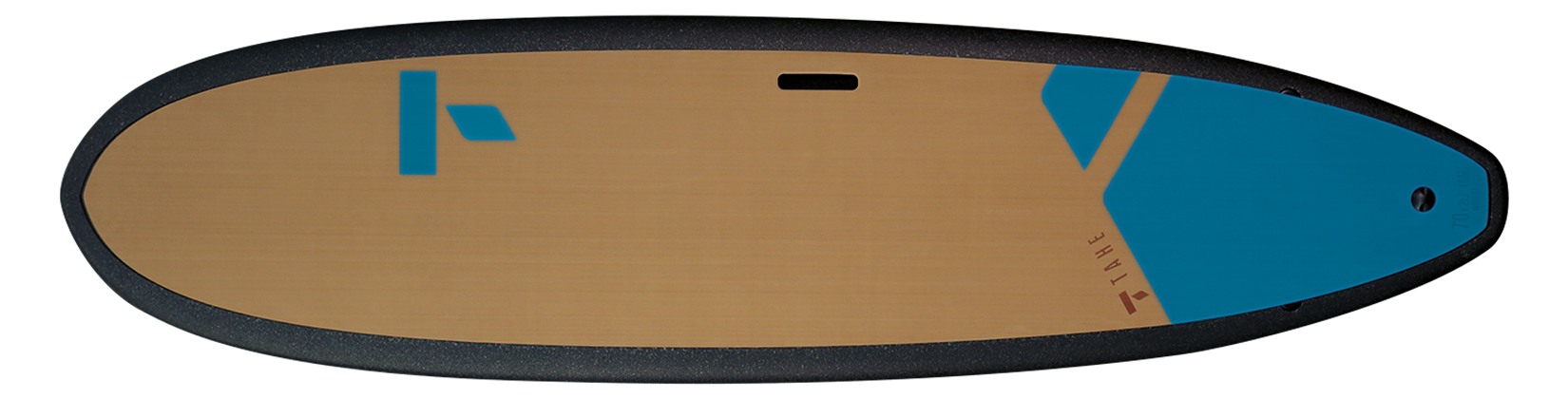
NEW | 7'0" METEOR
#SURF
The Meteor is designed for all riders who are looking to progress and have maximum fun with a soft board made in France and fully recyclable.
The METEOR offers all-round performance, exceptional glide, and effortless take-off, making it an ideal choice for riders of all levels, from beginners to intermediates.
Explore by activity
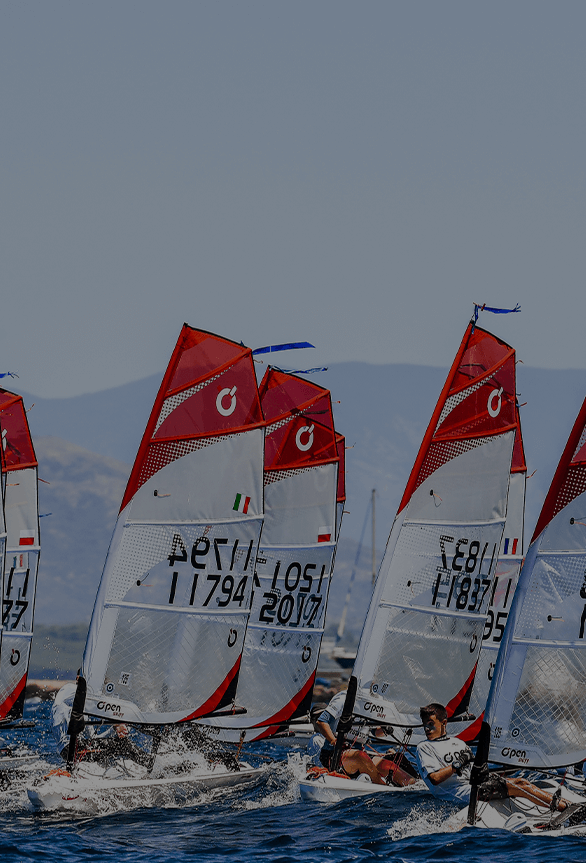
The first italian round of the 2024 Euro Challenge held last weekend in Arco,on Lake Garda,was a total success,with an amazing number of 171 young skippers from 10 different countries. Jump on board the new revolution in SUP! The E-BREEZE stand-up-paddle board is an E-powered innovation. Quality and performance assured! Latest stories
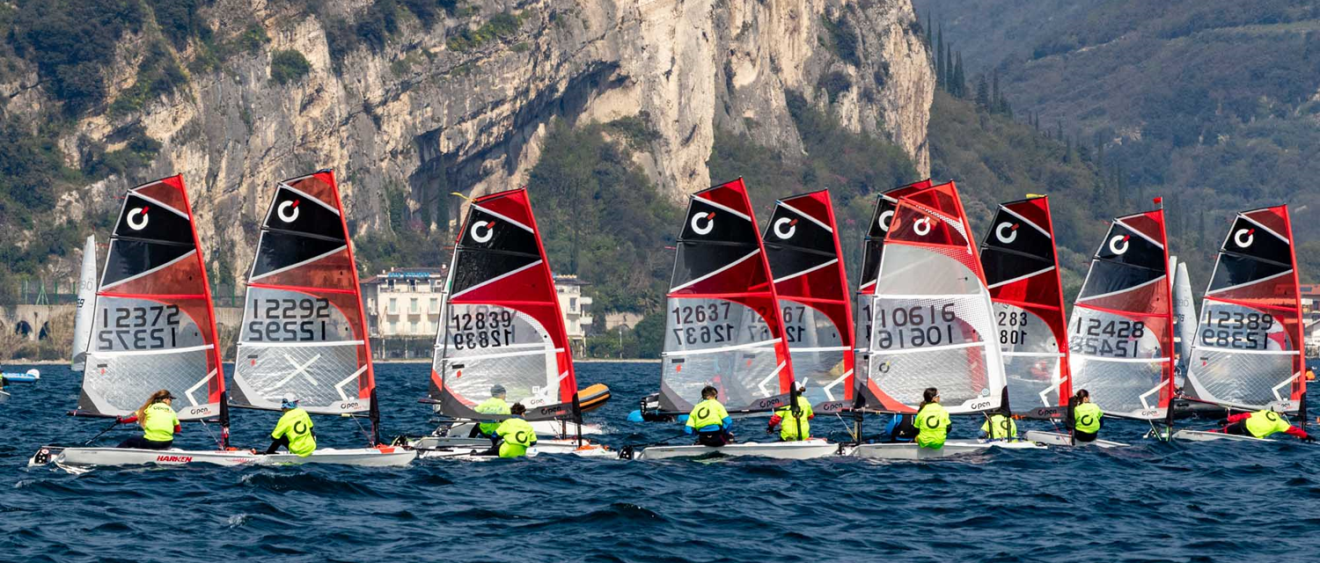
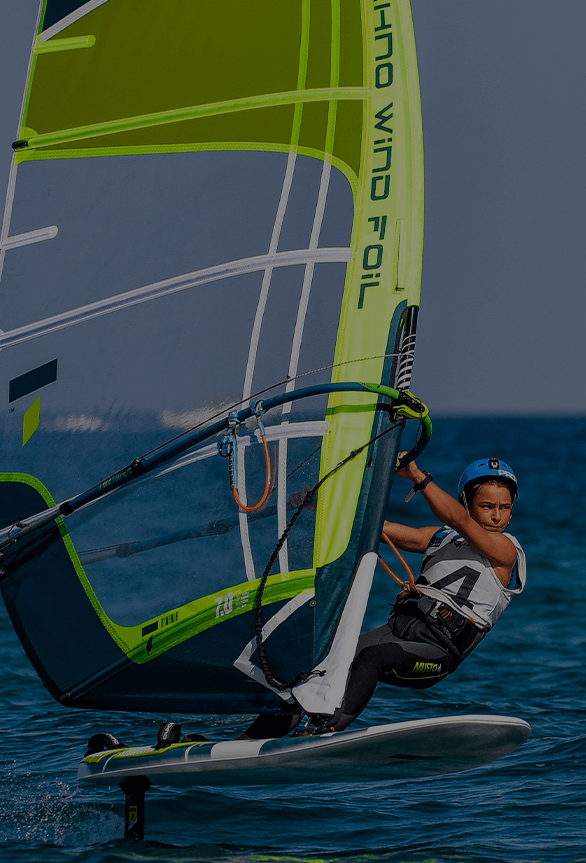
First round of the 2024 Euro Challenge
Apr 10, 2024
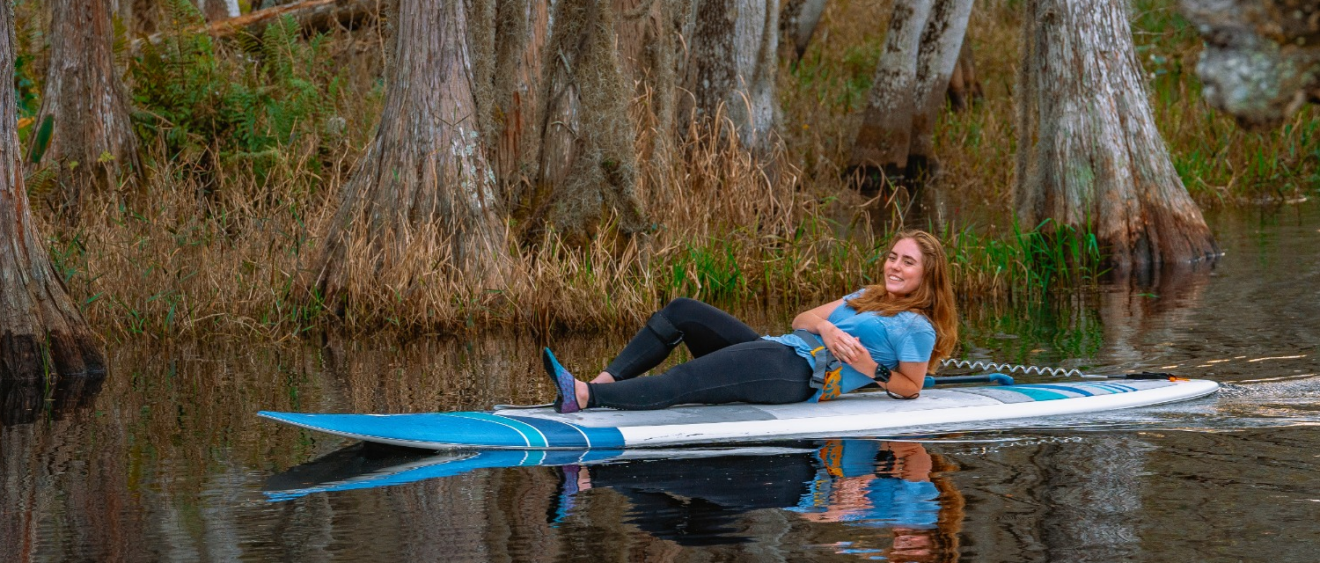
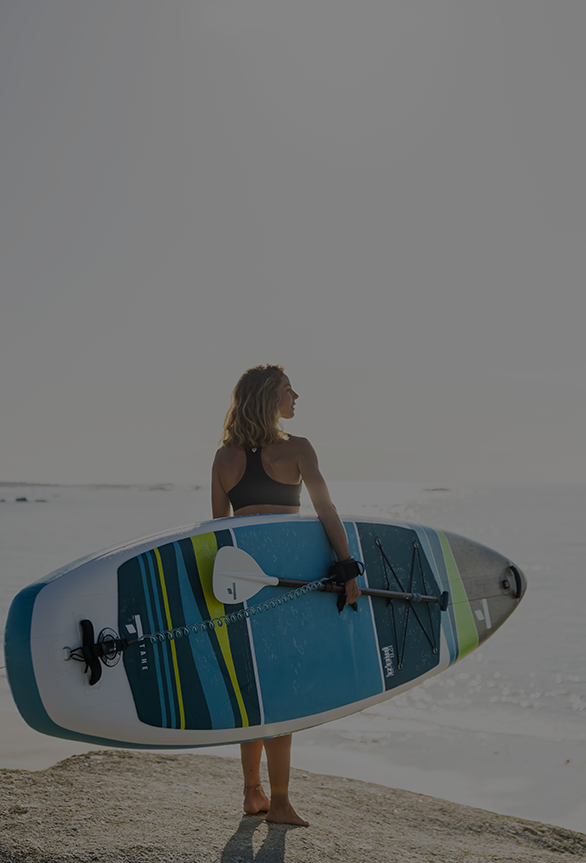
Jump on board the new revolution in SUP!
Mar 26, 2024
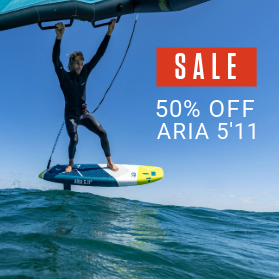
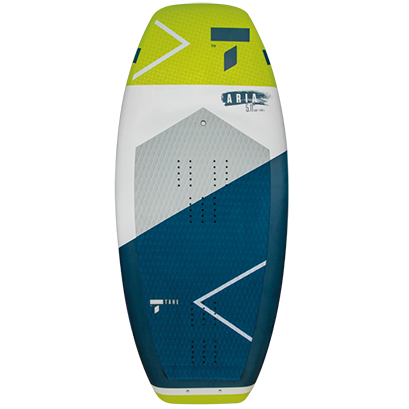
ARIA 5'11"
#WING4ALL
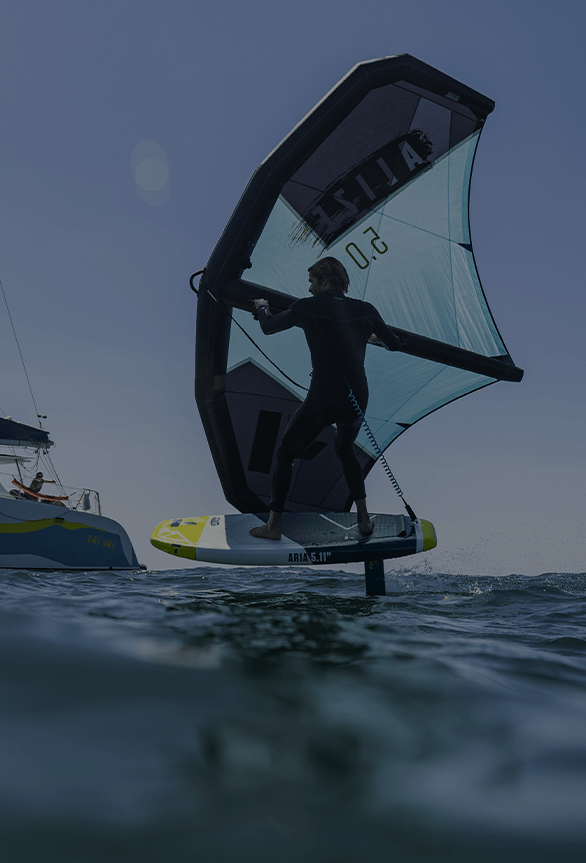
The Aria 5'11" board is the ideal solution for learning to wingfoil and progressing fast. Its 120L volume makes it a great fit for most sizes of rider.
FEATURED PRODUCTS
SOME OF OUR MOST POPULAR MODELS
-
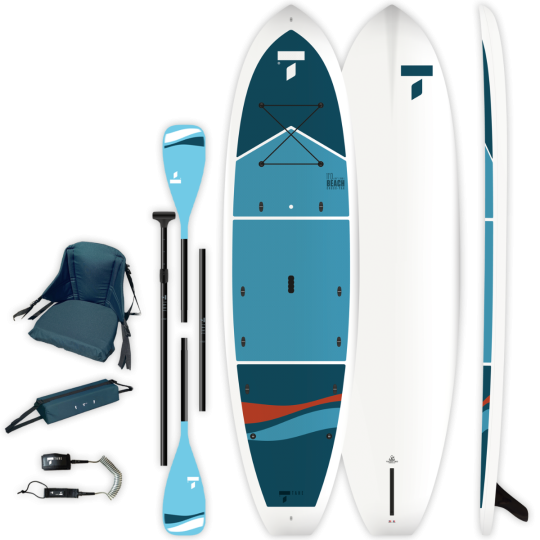 Rigid Tough-Tec11'0" Beach Cross-YakAll-Round FlatwaterKayak$ 949.95The innovative design combines comfort and convenience for endless playtime on the water. 100% Kayak, 100% Paddle Board, 200% FUN!
 -
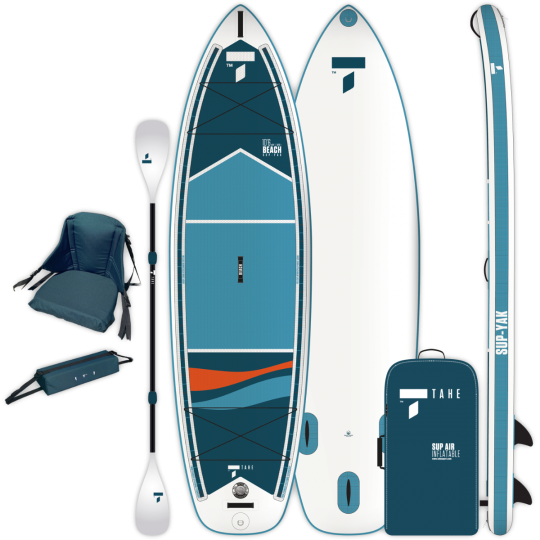 Inflatable SUP Air10'6" Beach Sup-Yak + Kayak KitAll-Round Flatwater$ 699.95The 10’6'' Beach Sup-Yak + Kayak Kit is a stable, lightweight and easy to use 2-in-1 inflatable kayak & paddle board package for 1-person use.
 -
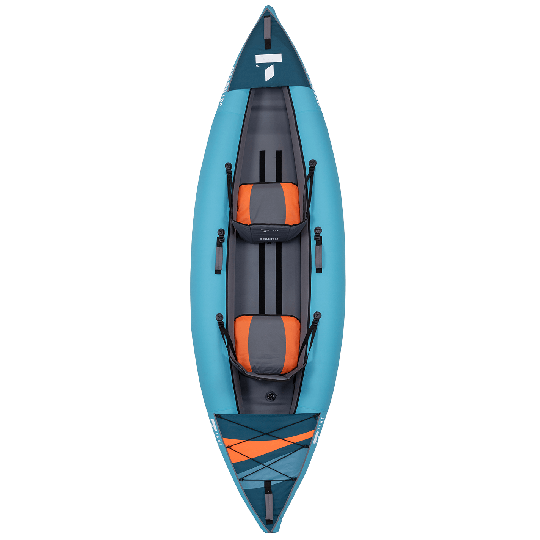 Inflatable Low pressure (LP)Beach LP2Recreational$ 599.95The Beach LP2 inflatable kayak is a lightweight, easy to use inflatable kayak for one or two person use with a maximum capacity of 330lbs/150kg.
 -
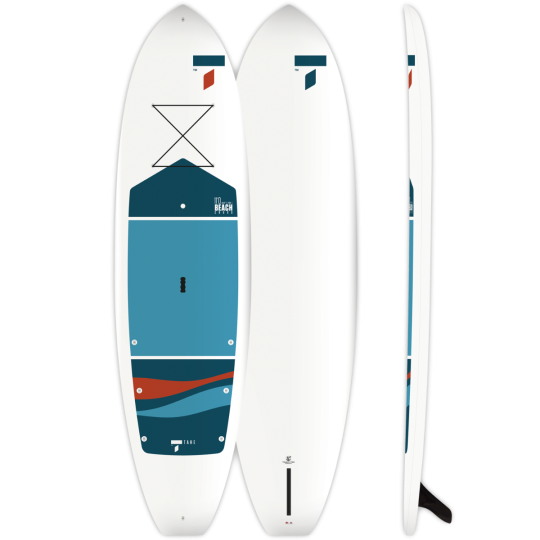 Rigid Tough-Tec11'0'' Beach CrossAll-Round Flatwater$ 799.95An ultra-stable design with a unique keeled-nose design for first-timers, family fun, fitness, yoga and fishing. For riders up to 285lbs/130kg.


OUR SELECTION
Stand-Up-Paddle Rigide
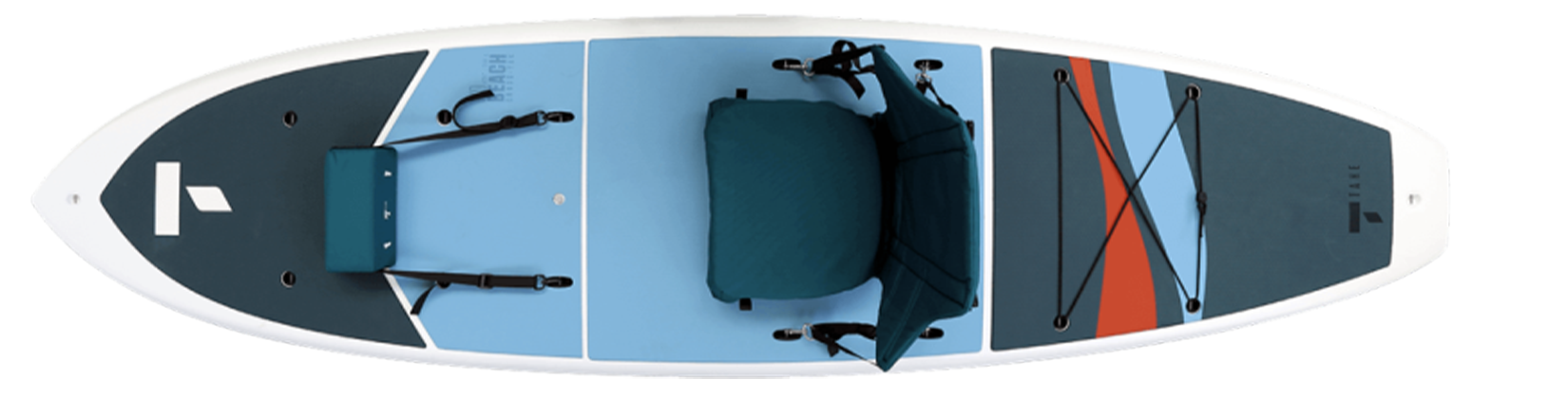
11'0" BEACH CROSS-YAK
Version rigide du Sup-Yak, le Cross-Yak vous offre durabilité et glisse, pour en profiter au maximum. 100% Kayak, 100% SUP, 200% FUN !
Il est livré en kit complet avec une pagaie convertible, un siège, un repose-pieds et un leash. Disponible en taille unique. Son design innovant allie confort et facilité d’utilisation pour passer de bons moments sur l'eau en famille et avec des amis, que ce soit debout, assis ou allongé.
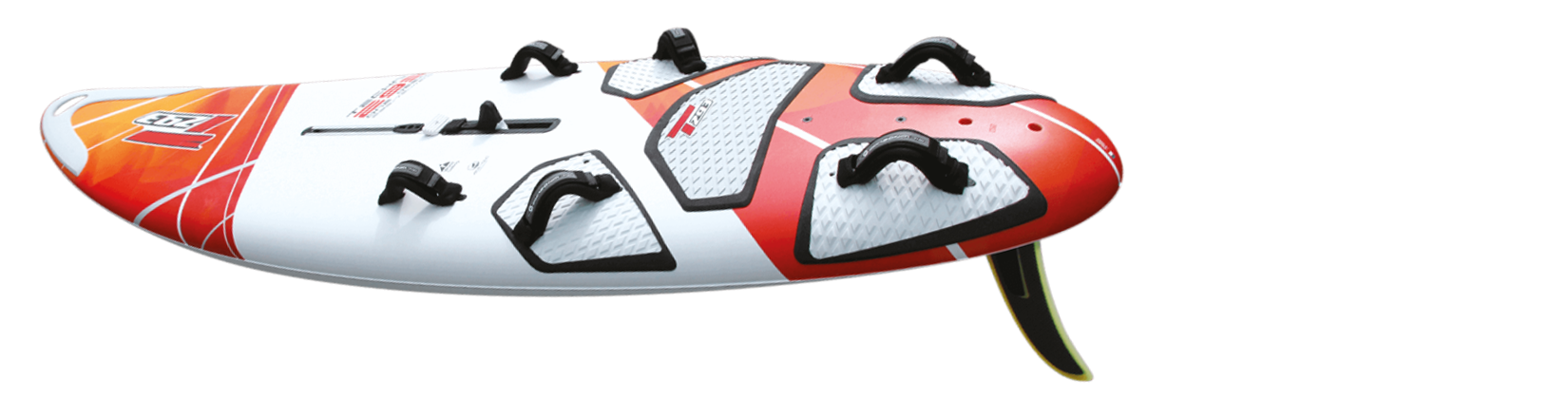
Techno Windsurf
TECHNO 293 OD
Une planche polyvalente, rapide et accessible pour débuter le windsurf et faire de la régate en monotypie.
La Techno 293 OD affiche les dimensions idéales pour naviguer dans un très large panel de conditions. De 5 à 25 nœuds de vent, ses performances à toutes les allures et sa facilité de contrôle lui ont permis de devenir la monotypie ultra dynamique que l’on connaît.
OUR SELECTION
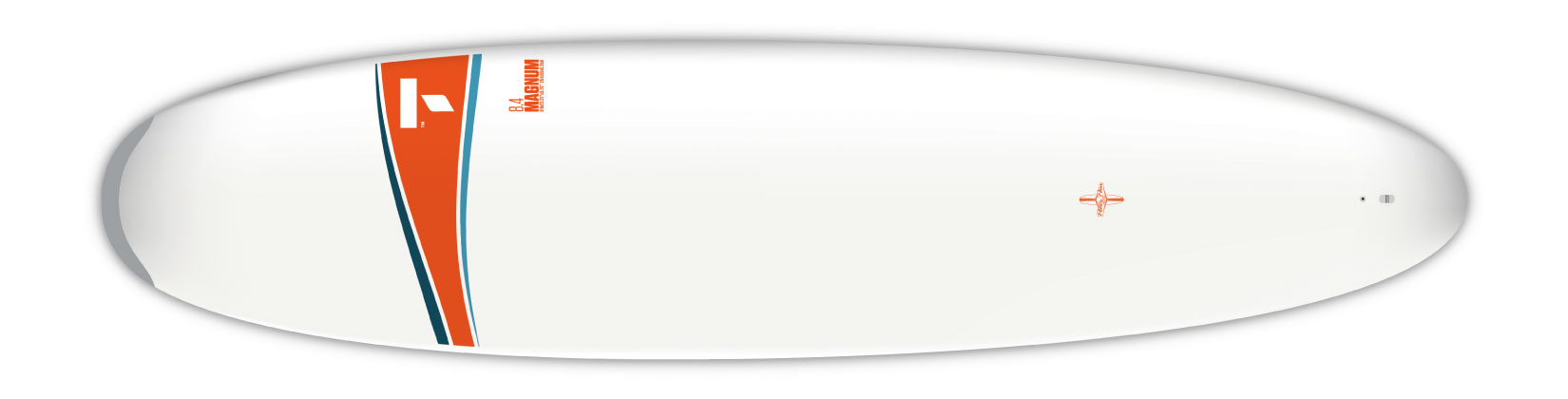
Dura-Tec Surfboard
8'4" MAGNUM
Designed as a performance board for bigger surfers, the Magnum’s exceptional volume makes it easy to paddle and catch waves no matter your size or ability.
Offering riders a fast learning curve, its mid-range length keeps it loose and fun in a wide range of surf conditions. The Magnum will help novice surfers gain confidence and progress. Intermediate and advanced riders will easily learn to carve the Magnum through faster sections of any break.
If you’re looking for one board that allows the widest range of rider sizes to learn how to surf, this is your board!
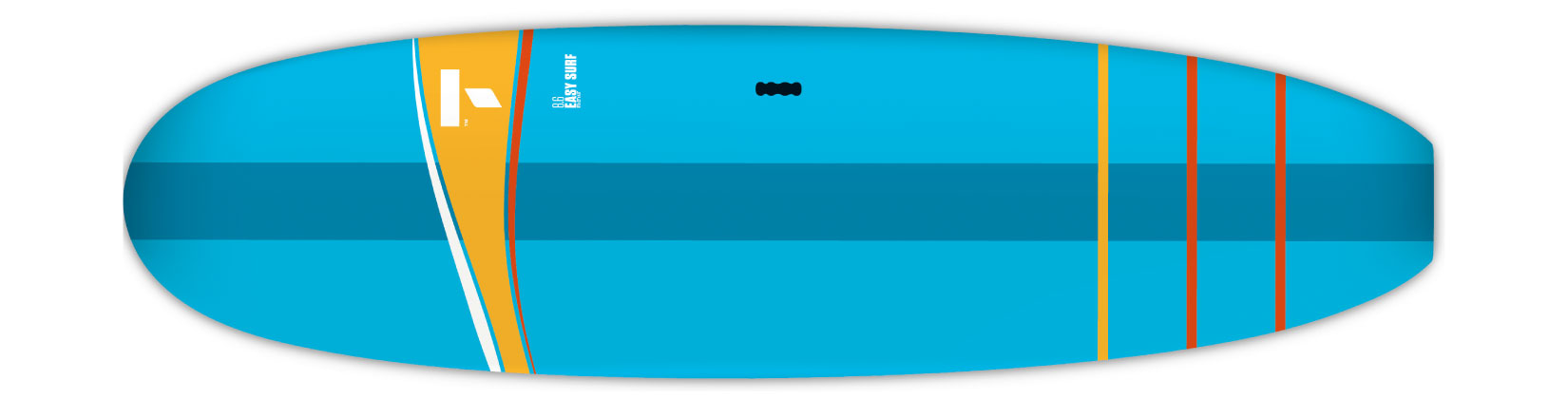
Foam Surfboard
8'6" PAINT EASY
This series of soft-top boards is perfect for people looking for a hassle-free board for learning to surf and getting maximum pleasure in the minimum time.
The Paint Easy is available in 2 sizes: 7’6'' and 8’6''. The bigger the board the easier the take-offs, the smaller the board the easier it is to maneuver. Paint boards are uniquely well-adapted to complete beginners, while also giving you the potential for serious progression.
They’re manufactured in high-precision aluminum molds to ensure 100% accurate production, perfect quality, and great strength. Supplied with fins included.